If your rooms still feel dim or “off” even after you replace bulbs or add lamps, the problem usually is not the fixtures. It is the layout.
Recessed lighting can completely transform how your home looks and feels, but only if the placement, spacing, and beam angles are planned correctly. Too few cans, and you get dark corners. Too many, and your ceiling starts to look like a runway.
If you live in Burlington or Camden County and you are wondering what the best layout for recessed lighting is in your home, you are not alone. In this guide, we walk you through how a professional looks at recessed lighting design, the most effective layout patterns, and how we custom plan lighting for each room so you get bright, comfortable, and efficient light where you actually need it.
Understanding How Recessed Lighting Layout Shapes A Space
The “best” layout for recessed lighting is not one single pattern. It is the layout that supports how you use the room, highlights what matters, and avoids glare and shadows.
When we design recessed lighting, we think about three layers of light:
Ambient light: Overall brightness so you can move around safely.
Task light: Focused light over counters, islands, desks, or reading areas.
Accent light: Light used to highlight art, fireplaces, built ins, or architectural details.
A smart layout combines these layers so the room feels balanced. For example, in a living room we might rely on recessed fixtures for ambient light, then add accent cans aimed at a fireplace and task cans over a reading chair.
If you want a deeper jump into how recessed light affects mood and function, we walk through beam angles, fixture types, and spacing in more detail in our guide on how to design your recessed lighting layout.
What this really means is that there is no single “X feet apart“ rule that works in every room. Your ceiling height, paint color, furniture layout, and even your age and eyesight all affect the right plan. That is why a professional layout always starts with how you live in the space, not just where the joists are.
Key Factors Professionals Consider Before Planning A Layout
Before we ever mark a ceiling for recessed lights, we walk the room with you. Here are the main factors we look at and why they matter.
Ceiling height and room size
The taller the ceiling, the farther light has to travel. That affects:
How many fixtures you need
How strong each light should be
How wide the beam angle should be
For example, an 8 foot ceiling might use smaller cans with tighter spacing, while a vaulted ceiling often needs fewer fixtures with wider beams but higher output.
Room function and traffic flow
We ask questions like:
Where do you usually sit, cook, read, or work in this room?
Where do kids play or do assignments?
Which parts of the room are rarely used?
This lets us aim task lighting exactly where you need it and avoid shining lights directly into your eyes when you are seated.
Surface colors and finishes
Light bounces. Dark cabinets, wood ceilings, or deep wall colors absorb more light. Glossy countertops can create glare.
We may increase the number of lights or adjust the brightness in darker rooms. In kitchens with shiny stone tops, we often adjust angles to avoid bright reflections. Our article on electrical safety and lighting upgrades explains how smarter lighting can also improve safety, not just style.
Existing wiring and panel capacity
A perfect layout on paper still has to work with your home’s electrical system. As licensed electricians in New Jersey, we always check:
Circuit capacity and panel condition
Location of joists and existing runs
Any older or outdated wiring that needs attention first
Once we understand your room and your goals, we choose the layout pattern that will give you even light and minimal glare.
Perimeter layout
We place lights in a ring around the edges of the room, usually a bit in from the walls. This works well when:
You want to wash light down the walls to make a room feel larger
You have built ins or wall art you would like to highlight
You plan to use lamps or a chandelier for central light
Perimeter layouts are excellent in living rooms and bedrooms where softer, indirect light feels more comfortable.
Grid layout
This is a more uniform pattern, with lights spaced in a simple grid across the ceiling. We use grids when:
You need very even brightness across the whole area
The room is large or multi use, like a finished basement
There is no single “center” but you still want balance
In basements, we often combine a grid with dedicated task lights over game tables or desks. Our basement finishing wiring services frequently include recessed lighting grids tied to multiple switch zones so you can control different areas independently.
Task focused rows
In kitchens, offices, and laundry rooms, we line recessed lights in rows directly over work zones.
Typical examples:
A row over the sink and main counters
A separate row centered over the island
A row along a built in desk or craft table
This puts light where you need it most and prevents your body from casting shadows while you work.
Accent and wall wash layouts
Accent layouts do not necessarily light the whole room. Instead, we place lights to:
Room By Room Recommendations For Recessed Lighting Layouts
Every room in your home has its own job. The best recessed lighting layout respects that.
Kitchen
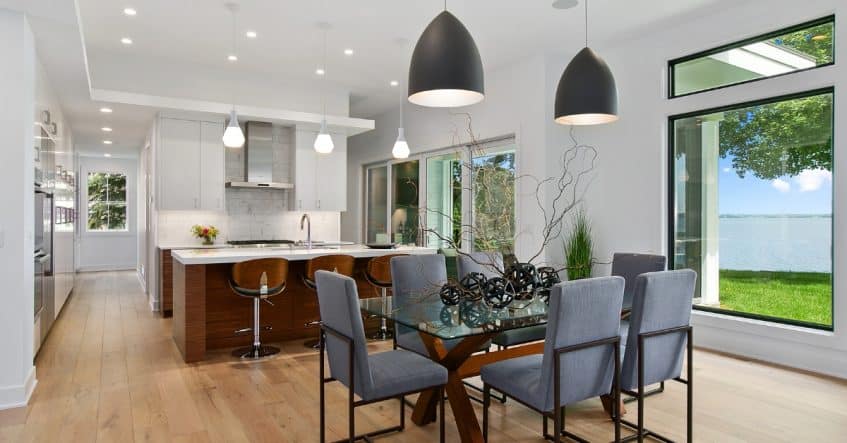
Kitchens are where layout mistakes show up fast. We focus on task lighting first, then fill in ambient light.
Common plan:
Rows of cans centered over countertops, not down the middle of the room
Dedicated fixtures over the sink and island
Options for under cabinet lighting to reduce shadows
We aim for overlapping beams so you do not work in your own shadow. If you do a lot of cooking or have darker cabinets, we will usually add a bit more light and tie it to dimmers for flexibility.
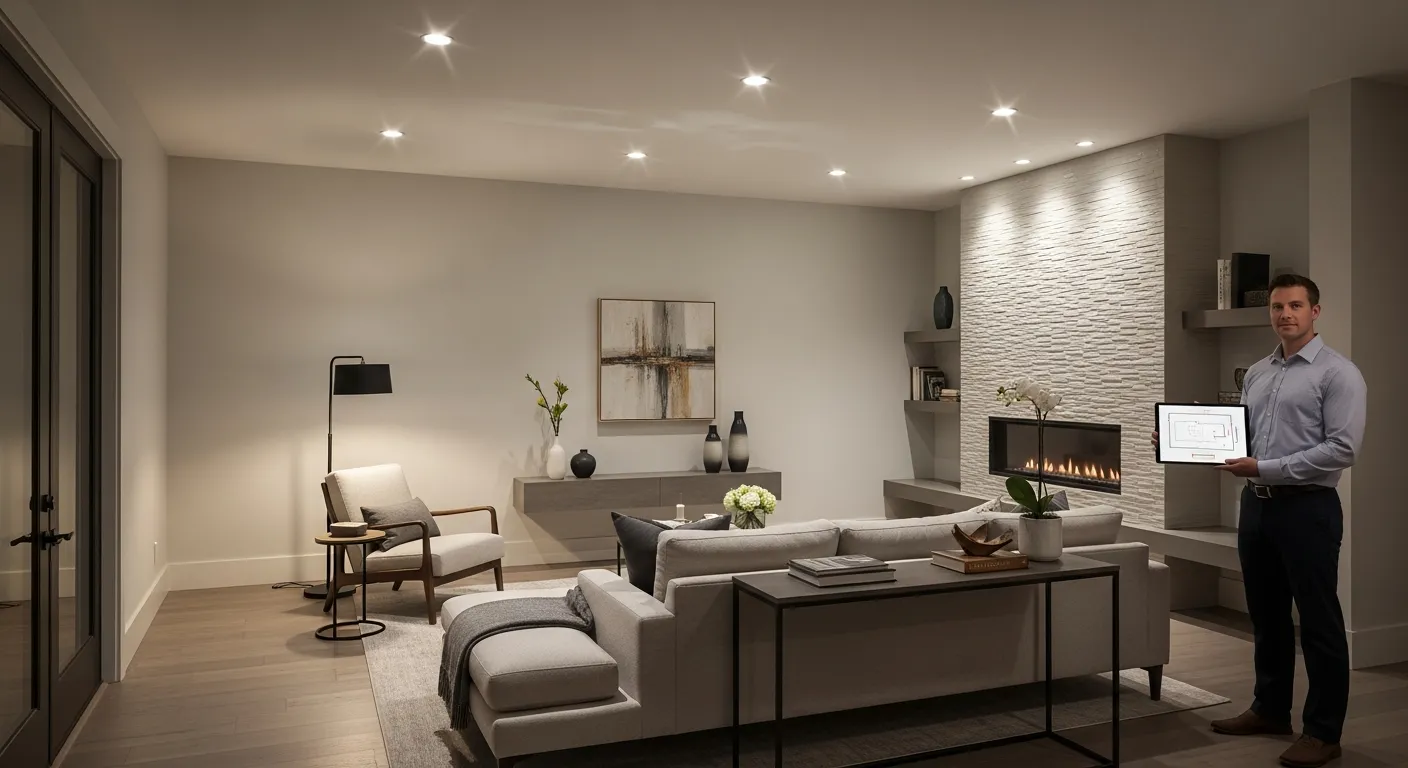
Living room or family room
In living rooms, flexibility is the goal. You might be watching TV one night and hosting guests the next.
Our typical approach:
Perimeter layout around the seating area
A few accent cans aimed at the fireplace, TV wall, or art
Separate switch zones so you can dim or turn off lights while watching TV
In bedrooms, harsh overhead light can feel uncomfortable. We usually recommend:
A soft perimeter layout that keeps light off the bed area
Task lights near reading chairs or a desk
Dimmers as a must have, not a luxury
We rarely center lights directly over pillows. That way you can relax under softer light, then bring up brightness only when you are organizing or cleaning.
Bathroom
Bathrooms need clear, flattering light, especially around mirrors.
We typically combine:
Vanity lighting near eye level for faces
One or two recessed lights for general brightness
Careful aiming to avoid shadows under the eyes or chin
In larger baths, we may add a separate can near the shower. For ventilation and moisture control, many South Jersey homeowners pair lighting work with bathroom fan installation.
Hallways and entries
These are often overlooked, but good recessed lighting makes your home feel more inviting and safer.
Our usual plan:
Evenly spaced fixtures down the center of the hall
Slightly tighter spacing in long or windowless halls
Optional accent lights for artwork or family photos
If you are not sure where to start, our broader guide to the importance of lighting in your home is a good way to think about how each room should feel before we ever touch a wire.
Why A Professional Recessed Lighting Plan Beats DIY Every Time
We understand the temptation to buy a box of recessed cans at the home store and start cutting holes. The problem is that with lighting, mistakes are literally built into your ceiling.
Here is why a professional plan is nearly always worth it.
Safety and code compliance
Recessed lighting involves more than drilling a hole and connecting a couple of wires. We have to account for:
Existing wiring conditions and any aluminum or outdated wiring
Circuit loading so you do not create overloads
Insulation contact, fire safety, and local code requirements
Online rules of thumb are a starting point, not a complete plan. We bring tape measures, light meters when needed, and years of experience from projects across Burlington and Camden Counties.
We can look at a room and quickly see:
Where you will have shadows or hot spots
How future furniture changes might affect lighting
Which areas deserve separate dimmers or switch zones
That saves you from living with an odd, uneven layout or paying twice to fix it.
Cleaner finishes and less damage
Every extra hole in your drywall is another patch and paint job. We plan runs and placements to minimize cutting and to keep fixtures aligned and professional looking.
In short, DIY recessed lighting can look acceptable at a glance, but a professional plan looks right at every time of day and from every angle.
Ready To Get The Perfect Recessed Lighting Layout For Your Home?
If you are constantly fighting glare, dim corners, or the feeling that your rooms never look quite “finished,“ your recessed lighting layout is probably the culprit, not your bulbs.
We help homeowners in Burlington County, Camden County, and across South Jersey design and install recessed lighting that fits the way they actually live in their homes. From tight kitchens in older row homes to open concept family rooms in newer builds, we create layouts that layer ambient, task, and accent light into one clean, cohesive plan.
Instead of guessing at spacing or fixture types, we handle the design, safety checks, installation, and finishing so you end up with a bright, comfortable, and efficient home.
How To Prepare For Your Professional Recessed Lighting Consultation
To make your consultation as productive as possible, it helps to think through a few questions ahead of time:
Which rooms feel too dark or too harsh right now?
Where do you cook, read, work, or do hobbies most often?
Are you planning any other electrical upgrades, like a panel upgrade, EV charger, or generator?
When you are ready to move from ideas to a real plan, our licensed electricians can review your current system, walk your rooms with you, and map out a recessed lighting layout tailored to your home.
The best layout for recessed lighting layers ambient, task, and accent light so each room feels balanced, comfortable, and glare-free.
A professional recessed lighting layout always starts with how you use the space, factoring in ceiling height, room size, surface colors, and traffic patterns rather than relying on a one-size-fits-all spacing rule.
Different recessed lighting layout patterns—perimeter, grid, task-focused rows, and accent or wall wash—serve specific purposes and are chosen based on the room’s function and focal points.
Room-by-room planning is essential: kitchens prioritize task rows over counters and islands, living rooms benefit from perimeter and accent lighting, bedrooms need softer perimeter light with dimmers, and baths require careful coordination of vanity and ceiling lighting.
A professionally designed recessed lighting layout outperforms DIY by ensuring electrical safety, code compliance, minimal drywall damage, and clean, future-proof lighting control zones.
Frequently Asked Questions About Recessed Lighting Layouts
What is the best layout for recessed lighting in a typical living room?
The best layout for recessed lighting in a living room usually combines a soft perimeter layout for ambient light with a few accent cans aimed at a fireplace, TV wall, or artwork. Separate dimmer or switch zones let you switch between bright entertaining light and cozy movie-night lighting.
How do I figure out the best layout for recessed lighting in my kitchen?
In kitchens, start with task lighting, not the room center. Run rows of recessed lights over countertops, the sink, and island so you don’t work in your own shadow. Then fill in ambient light as needed and add under-cabinet lighting for darker surfaces or detailed food-prep tasks.
What factors should I consider before planning a recessed lighting layout?
A smart recessed lighting layout considers ceiling height, room size, how you use the space, furniture placement, surface colors, and glare from glossy finishes. Professionals also check wiring, circuit capacity, and joist locations to ensure the plan is both visually effective and safe for your electrical system.
How far apart should recessed lights be spaced on the ceiling?
There is no universal spacing rule because ideal placement depends on ceiling height, beam angle, fixture output, and room finishes. As a rough starting point, many designers space lights at about half the ceiling height in feet (for example, 4 feet apart on an 8-foot ceiling), then refine from there.
Is it better to DIY or hire a professional for a recessed lighting layout and installation?
Hiring a professional is usually best for recessed lighting. Electricians account for circuit loading, insulation contact, and code requirements, and they can predict shadows, hot spots, and future furniture changes. That reduces drywall damage, avoids overloads, and delivers a balanced layout that looks right from every angle.
Good News for NJ Drivers: EV Adoption Is Taking Off
Electric vehicles are becoming a normal part of New Jersey life. Statewide milestones tell a clear and positive story:
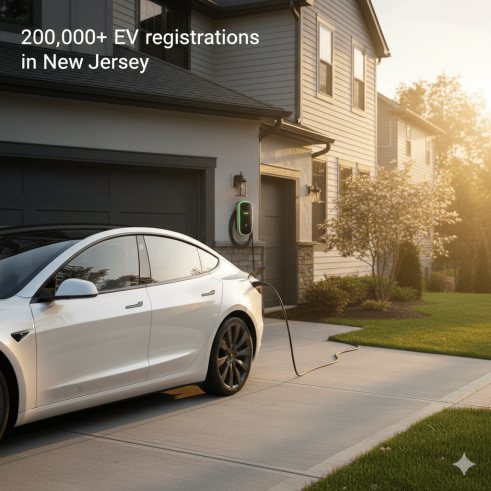
New Jersey has surpassed 200,000 registered electric vehicles.
Thousands more EVs are added every month across Burlington County, Camden County, and the surrounding region.
The state’s clean energy programs continue to support EV adoption and home charging.
For homeowners, this surge in EV ownership means more support, better technology, and expanding options for home charging solutions.
The Data: 200,000+ EVs—and Rising
New Jersey recently exceeded 200,000 electric vehicle registrations, marking a major clean transportation milestone for the state.
This milestone shows just how quickly EVs are becoming part of everyday life. As more drivers switch to electric, the convenience of fast, at-home charging has become a top priority.
Here’s what this means for homeowners:
More EVs = more demand for reliable home charging
Homeowners are choosing Level 2 chargers for faster overnight charging
Many households are upgrading service panels to support new electrical loads
With more than 200,000 EVs already on the road, New Jersey is quickly becoming a leader in home charging adoption—and homeowners who upgrade now are setting themselves up for years of convenient, efficient driving.
Why This Trend Is Great News for NJ Homeowners
The growing popularity of EVs brings several advantages for people choosing to install home charging stations.
1. Greater Convenience
No more waiting in line at public chargers or planning trips around charging stops. A home Level 2 charger lets you plug in at night and wake up with a full battery every morning.
2. Faster Charging
A Level 2 charger provides a stronger, dedicated 240-volt connection—delivering charging speeds up to 8x faster than a standard outlet.
3. Future-Ready Electrical Systems
Many homeowners choose to pair their charger installation with a panel upgrade, giving their home the capacity to support:
EV chargers
Heat pumps
Hot tubs
Home offices
Backup generators
It’s a smart long-term move that improves safety, performance, and flexibility.
How DK Electrical Solutions Helps You Take Advantage of the EV Momentum
DK Electrical Solutions is a trusted local electrician serving Burlington and Camden Counties, offering expert installation for home EV chargers and service panel upgrades.
Certified Master Electrician on every job
Custom installations designed for your home’s layout and electrical capacity
Code-compliant, safe, and clean workmanship
Experience installing chargers from all major EV brands
Financing options to make upgrades more accessible
Instead of trying to DIY or relying on generic installers, homeowners get a local professional who understands New Jersey codes, housing styles, and the needs of modern families.
Why Now Is the Best Time to Upgrade Your Home Charging Setup
With New Jersey’s EV adoption climbing fast, more homeowners are moving early to set up their electrical systems for long-term success. Installing a home EV charger now means:
Maximum convenience for your daily driving
Better home value in an increasingly EV-friendly market
A safer electrical system built for modern technology
Smarter energy use that fits your lifestyle
Whether you’re already driving an EV or planning to get one soon, upgrading your home’s electrical system is one of the best ways to prepare.
Ready to Install a Home EV Charger in New Jersey?
Take your next step with confidence:
Request a free quote
Explore our services
See why customers choose us
With a certified master electrician and decades of experience, DK Electrical Solutions makes it easy to bring fast, reliable home charging to your New Jersey home.
Data Sources
Data Claim
Source Name
Source Type
Date
URL
New Jersey surpassed 200,000 registered electric vehicles.
ROI-NJ – New Jersey Hits Electric Vehicle Milestone
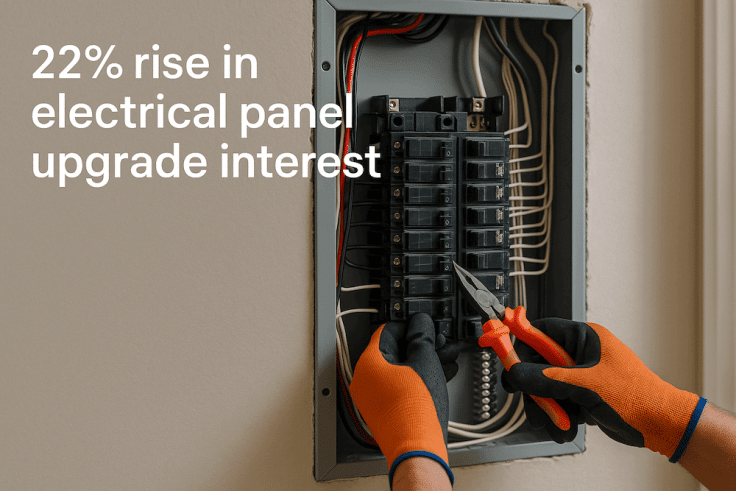
New Jersey’s older suburban neighborhoods—many built before major electrical-code updates—are seeing a rapid increase in demand for modern electrical upgrades. Higher appliance loads, expanding home-office setups, and growing EV charger adoption are placing unprecedented demands on outdated electrical panels.
Recent housing data highlights the strain on older infrastructure, and consumer behavior reflects that shift. A recent LocationSync analysis reported a 22% increase in regional interest surrounding breaker-panel upgrades and electrical-safety inspections, particularly in communities with pre-2000 construction.This surge signals that homeowners are prioritizing electrical safety as climate-related grid fluctuations, aging wiring, and increased energy usage become more common. Upgrading your panel not only improves safety but also ensures your home is ready for future technologies, from heat-pump systems to EV charging stations.
If your home is more than 20 years old or frequently experiences flickering lights or tripped breakers, it may be time for a professional evaluation. Visit DK Electrical Solutions to learn how certified local electricians can help modernize your home’s power system.
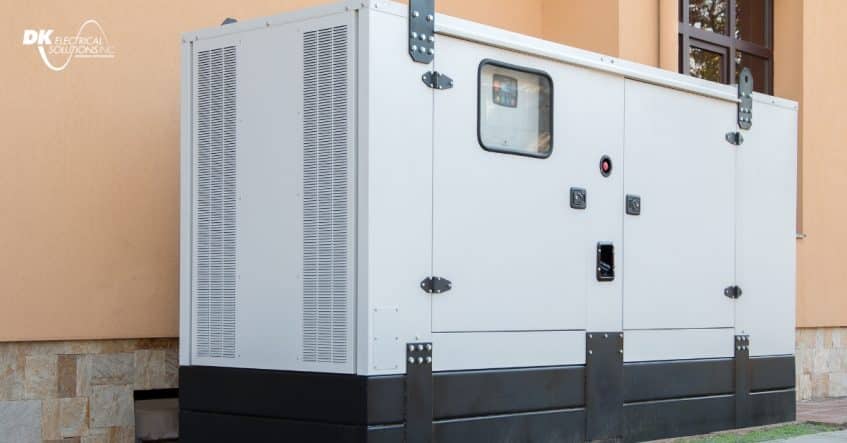
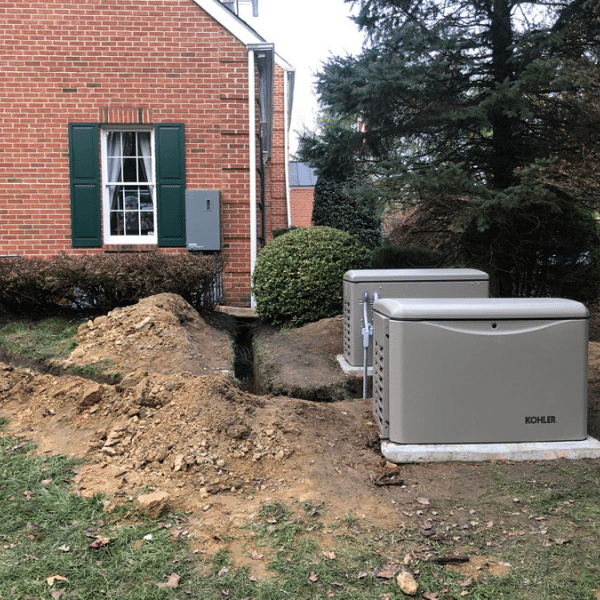
Power outages do not wait for convenience. Whether it is a thunderstorm, hurricane season, or grid failure, losing electricity can disrupt everything from your home comfort to your family’s safety. That is why more New Jersey homeowners are turning to whole home generators for dependable backup power.
If you are wondering who actually installs these systems safely and legally, you are asking the right question. Installing a generator is not a DIY project or a simple appliance hookup. It is a licensed trade job that connects directly to your home’s electrical panel and utility line, which means it requires certified electrical expertise.
If you live in Burlington or Camden County and want to ensure your generator installation is done correctly, this guide will help you understand who to hire, what to expect, and how to prepare.
Here is the answer right up front: a licensed electrician should install your whole home generator.
While big-box retailers or generator dealers may sell the equipment, they often subcontract the electrical work to certified electricians. This is because connecting a generator to your main panel, transfer switch, and natural gas line (if applicable) requires advanced knowledge of local building codes and electrical safety.
What the Installer Does
Evaluates your electrical load and generator capacity needs
Obtains necessary permits from your local township
Installs the generator base and transfer switch
Connects wiring from the generator to your electrical panel
Tests and certifies the installation for code compliance
Why It Matters
Improper installation can cause equipment failure, fire hazards, or even void your manufacturer’s warranty. Hiring a Certified Master Electrician ensures your generator operates safely and efficiently during every outage.
Why You Need a Licensed Electrician
Let’s break it down. Installing a whole home generator means integrating a second power source into your home’s main electrical system. This is complex work that can only be performed by a licensed electrician familiar with New Jersey’s residential electrical codes.
Licensed Electricians:
Understand load balancing: They calculate how much power your home needs during an outage.
Ensure code compliance: Every connection must meet state and township regulations.
Handle permits and inspections: They take care of the paperwork and safety certifications.
Guarantee safe transfer of power: Prevents dangerous backfeeding into the grid.
When you hire a professional, you are not just paying for installation. You are investing in long-term safety and reliability. Learn more about the benefits of hiring a certified electrician.
How the Installation Process Works
Every home is different, but the process typically follows five key steps.
1. On-site Evaluation
Your electrician inspects your electrical system, measures your home’s power needs, and recommends the right generator size.
2. Permitting and Preparation
They handle local permits, coordinate with the gas company (if needed), and prepare the installation site.
3. Mounting the Generator
The generator is placed on a solid concrete or composite pad to prevent shifting or water damage.
4. Electrical and Gas Connections
The electrician installs a transfer switch near your main panel and connects wiring from the generator to ensure smooth power transfer during outages.
5. Testing and Commissioning
Finally, they run a complete system test to confirm your generator powers essential circuits safely and automatically.
This process typically takes one to three days, depending on your home’s setup and inspection schedule. For a deeper understanding, you can read our guide on generator installation tips.
Typical Costs and Timelines
One of the most common questions homeowners ask is: How much does it cost to install a whole home generator?
Here is a general breakdown:
Installation Type
Average Cost Range
10–16 kW Home System
$6,000–$9,500
17–22 kW Home System
$10,000–$14,000
Transfer Switch & Labor
$2,000–$4,000
What Affects Price:
Home size and total wattage needs
Existing electrical panel capacity
Distance between generator and main electrical service
Permitting and inspection fees
At DK Electrical Solutions, we make this process easier with financing options and transparent pricing so you know exactly what to expect before work begins.
Installing a whole home generator is a proactive investment in comfort, safety, and peace of mind.
Trusted Expertise You Can Count On
At DK Electrical Solutions, our Certified Master Electricians have helped hundreds of New Jersey homeowners install reliable whole home generators. We understand the local codes, safety standards, and township permitting requirements inside and out.
Our team focuses on precision wiring, long-term reliability, and clean installations that integrate seamlessly with your home’s existing electrical system. Whether you are upgrading from a portable unit or installing your first standby generator, we handle everything from start to finish safely, efficiently, and affordably.
Installing a whole home generator is not a DIY-friendly project. It involves complex electrical and fuel connections that require certified training, permits, and inspection. A licensed electrician must connect the generator to your main panel and install a transfer switch to ensure power flows safely.
DIY installations risk incorrect wiring, code violations, gas leaks, and serious safety hazards. They can also void your warranty and lead to fines from your local township. Always hire a professional electrician who understands New Jersey code compliance and can certify the work for safe operation.
Yes, you do. Generator installations in New Jersey require electrical permits and often plumbing or gas permits if the unit connects to natural gas or propane. The permit process ensures your system meets state safety codes and that a local inspector signs off before activation.
When you work with DK Electrical Solutions, we handle the entire permitting and inspection process on your behalf, saving you time and guaranteeing compliance.
Most generator installations take one to three days from start to finish, depending on your site layout, inspection timing, and electrical configuration. The steps include site preparation, mounting the generator, connecting the electrical and gas lines, and testing.
If your home needs additional electrical panel upgrades or trenching for gas lines, the process might take slightly longer. Your electrician will outline the full schedule during the initial consultation.
A portable generator provides temporary power for a few appliances using extension cords or a manual transfer switch. They are ideal for short-term outages but require setup each time and cannot run high-load systems such as HVAC units.
A whole home generator, on the other hand, is permanently installed and wired into your electrical system. It automatically detects outages and restores power to essential circuits in seconds, running on natural gas or propane for days at a time. You can also check what size generator you need to find the perfect fit for your home.
To ensure your generator performs when you need it most, professional maintenance is recommended at least once a year. Service includes checking oil levels, testing the battery, cleaning air filters, inspecting electrical connections, and running a load test to verify performance.
Many homeowners choose a maintenance plan so their system is inspected automatically each year. Regular servicing extends your generator’s lifespan and keeps the warranty valid.
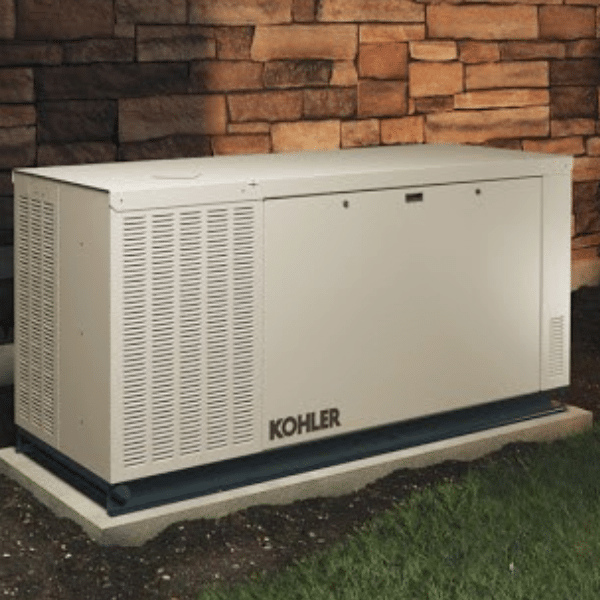
Yes. Certified electricians like the team at DK Electrical Solutions are trained to install most major generator brands, including Generac, Kohler, and Briggs & Stratton. The important factor is that your installer follows the manufacturer’s specifications and local building codes.
When installed by a licensed professional, your system will meet warranty conditions and operate safely for years to come.
Keep Your Home Safe, Bright, and Powered
When the power goes out, your home should not have to stop. By working with a certified electrician, you can ensure your generator is installed safely, legally, and ready when you need it most.
If you live in Burlington or Camden County, NJ, DK Electrical Solutions is your trusted local expert for professional generator installation and maintenance, electrical upgrades, and home safety solutions.
✔️ Protect your home from outages. Contact us today to request a quote or inspection.
Brightening Your Home Starts with the Right Budget
Outdoor lighting does more than make your home look good at night. It adds safety, curb appeal, and even value to your property. But here’s the big question homeowners across Burlington and Camden County ask: how much does it actually cost to install outdoor lighting?
If you’ve been wondering whether it’s worth the investment or what price range you should plan for, you’re in the right place. This guide breaks it down clearly so you know what to expect and how to make the best decision for your home.
The average cost to install outdoor lighting ranges from $2,500 to $5,500 for a typical home project. Some smaller jobs may cost as little as $500 to $1,000, while large landscape designs can exceed $8,000.
Think of it this way: adding a few path lights is a much different project than illuminating a large backyard or installing full landscape lighting across walkways, decks, and gardens.
What Affects the Cost the Most?
When planning, here are the key factors that drive the final price:
Type of Fixture
Solar lights: lower cost, limited brightness
Wired LED: higher upfront cost but long-term savings
Decorative fixtures: premium styles increase cost
Number of Fixtures
Each additional light adds to the material and labor costs. A single path light may cost $100 to $200 installed, but multiply that by 10–20 for a full walkway.
Wiring and Labor
If you already have outdoor wiring, the costs are lower
Running new wiring, trenching, and installing a new electrical panel increases cost
Control Systems
Timers, smart controls, and dimmers add convenience but also increase installation cost.
Types of Outdoor Lighting and Their Costs
Here’s a breakdown of common lighting options and their average installed costs:
Pathway Lights: $100–$200 each
Spotlights/Floodlights: $200–$400 each
Deck or Step Lights: $150–$300 each
Wall-Mounted Fixtures: $250–$500 each
String or Festoon Lights (Professional Install): $800–$2,000 per project
Homeowners often mix types for a layered effect: pathway lights for safety, spotlights for trees or architecture, and deck lights for ambiance.
DIY vs. Hiring a Professional Electrician
If you’re thinking of saving money with DIY solar lights, that’s an option. But when it comes to wired systems, here’s what you need to consider:
DIY
Cheaper upfront
Limited to solar or plug-in lights
Risk of uneven lighting and shorter lifespan
Professional Install
Code-compliant wiring and safe installation
Access to higher quality fixtures
Longer-lasting, energy-efficient systems
Adds property value and peace of mind
For most projects beyond simple solar lights, hiring a licensed electrician is the smarter move. It ensures safety, reliability, and better results.
Why Outdoor Lighting is Worth the Investment
Cost is one part of the story. The benefits often outweigh the expense:
Safety and Security: Well-lit walkways reduce falls and deter intruders.
Curb Appeal: Lighting highlights your home’s architecture and landscaping.
Energy Efficiency: LED and smart systems lower long-term bills.
Property Value: Professional outdoor lighting increases resale value.
At DK Electrical Solutions, we’ve seen firsthand how the right lighting transforms a home. Customers often tell us it’s the project that made their house feel complete. If energy bills are a concern, check out our guide on easy ways to lower utility costs.
Ready to See What It Could Cost for Your Home?
Every home is different, and so is every project. If you’re considering installing outdoor lighting, the best way to get clarity is with a tailored estimate.
For small solar or plug-in lights, it’s fairly simple. Wired lighting systems require electrical expertise, trenching, and connections to your breaker panel. That’s when hiring an electrician makes sense.
For most homeowners, yes. It enhances security, usability of outdoor spaces, and aesthetics. Many homeowners say it’s one of the most impactful upgrades they’ve made.
Choose energy-efficient LED fixtures, plan for fewer but strategically placed lights, and consult an electrician for design options that balance cost with effect. If you’re dealing with older homes, updating outdated wiring may also reduce future repair costs.
Light Up Your Home with Confidence
Outdoor lighting is more than a home improvement project. It’s about safety, beauty, and value. While costs vary, the right installation makes your outdoor spaces more enjoyable and your home more secure.
If you’re ready to find out what it would cost for your property, DK Electrical Solutions is here to help. Get your fast estimate today and bring your vision to life.
The Real Question: Can Your Local Electrician Handle EV Charger Installation?
You finally bought that electric vehicle you’ve been eyeing, but now comes the bigger decision: how to charge it at home. The obvious thought is to call the electrician you’ve trusted for years. But is it really that simple? Do they need special certifications? What about permits and costs?
If you’re in Burlington County or Camden County, NJ, and you’re wondering whether your local electrician can safely install an EV charger, you’re not alone. This guide breaks down everything you need to know so you can make a smart, safe, and cost-effective choice.
A licensed electrician can technically handle wiring and panel upgrades, but EV charger installation often requires knowledge of specific codes, permits, and safety requirements. Many towns in New Jersey require permits before installation, and some chargers call for manufacturer-specific training.
Here’s what matters most:
The electrician must be licensed in your state.
They should understand EV charging standards and load calculations.
Not every charger is created equal. Knowing the difference helps you understand what your electrician should install.
Level 1 Charger: Plugs into a standard 120-volt outlet. It’s slow, often taking over 24 hours for a full charge.
Level 2 Charger: Requires a 240-volt circuit. The most common home solution charges in 4-8 hours.
DC Fast Charger: Industrial grade, primarily for public stations. Requires special equipment and training.
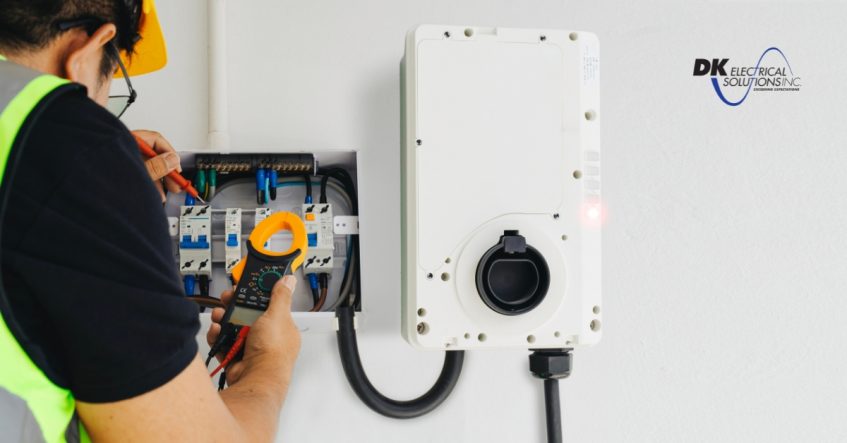
For most New Jersey homeowners, a Level 2 charger is the right fit. That means your electrician must know how to run a dedicated 240-volt circuit and safely integrate it into your home’s electrical panel. Learn more about how to upgrade a home electrical panel if your current system isn’t ready.
Permits and Certifications You Need to Know
In Burlington and Camden counties, permits are not optional. Townships want to ensure the wiring, panel, and breaker setup meet code. If your electrician skips this step, you could face fines or insurance issues later.
What to expect:
Permit application filed with the township.
Site inspection by a licensed inspector.
Final approval once installation passes inspection.
Some chargers, like Tesla Wall Connectors, may also require electricians to complete brand-specific training. Ask upfront if your electrician is qualified. For more guidance, check out what to consider when installing EV charging stations at home.
What the Installation Process Looks Like
When you hire a certified electrician, here’s the process you can expect:
Site Assessment: The electrician evaluates your panel, wiring, and garage or driveway setup.
Permit Filing: Paperwork submitted to the township.
Panel Upgrade (if needed): Older homes may require a 200-amp panel.
Charger Installation: Running wiring, mounting the charger, and connecting to your system.
Inspection & Testing: Township inspector signs off, and the electrician ensures everything works properly.
This process may take a few days, depending on permits and inspections, but it ensures your charger is safe and future-proof. If you’re curious about other inspection-related upgrades, review our electrical maintenance checklist.
What Does It Cost to Install an EV Charger?
Costs vary based on your setup. On average:
Basic installation: $500-$800 (if your panel is ready and close to your parking spot).
With panel upgrades or long wiring runs: $1,000-$2,500.
Permits and inspections: $50-$200 depending on your township.
At DK Electrical Solutions, we also offer financing, which helps spread out the cost while ensuring you don’t cut corners on safety. For more cost-saving ideas, you may also want to read 7 easy ways to lower utility bills.
Why a Certified Electrician Is Worth It
Here’s the thing: EV chargers aren’t just another appliance. They draw more power, run longer, and can impact your entire electrical system. Hiring a certified electrician ensures:
Proper load calculations for safety.
Code compliance to avoid failed inspections.
Warranty protection for your charger and your home’s wiring.
Peace of mind that the installation is done right the first time.
At DK Electrical Solutions, we’ve installed EV chargers for homeowners across Burlington and Camden counties, and we’ve seen firsthand what can go wrong when the job isn’t handled properly. We also provide support for electrical troubleshooting if issues arise after installation.
Ready to Take the Next Step?
If you’re considering installing a home EV charger, don’t leave it to chance. A certified electrician makes the difference between safe charging and future headaches.
✅ Request a fast estimate today and see how simple it can be to get your EV charger professionally installed.
Yes. Most New Jersey townships require a permit before you can install an EV charger. This ensures your wiring, breaker, and panel upgrades meet the state’s electrical codes. Without a permit, your installation could fail inspection, void your homeowner’s insurance, or even result in fines. The permit process typically involves submitting an application, waiting for approval, and scheduling an inspection after installation. A qualified electrician will handle this process for you so you don’t have to deal with township paperwork.
Not always. While any licensed electrician can technically install a Tesla Wall Connector, Tesla recommends using electricians who have been trained and certified to work with their equipment. Certified installers understand the unique requirements of Tesla chargers, including load sharing, breaker sizing, and Wi-Fi connectivity features. Using a certified electrician not only guarantees compliance but also protects your charger’s warranty.
The installation itself usually takes between 2 to 6 hours, depending on how close your panel is to the charging location and whether any upgrades are needed. However, the entire process can stretch to a few days or even weeks because of permitting and inspection timelines. Most townships require at least one inspection after the charger is installed, and scheduling this step depends on local availability. Learn how to spot warning signs that your electrical panel may need an upgrade before you start.
It depends on the age of your home and your existing electrical capacity. Many older homes in New Jersey still have 100-amp service, which often isn’t enough to support a Level 2 charger along with all your other appliances. In that case, upgrading to a 200-amp panel ensures your home has the capacity for safe charging without tripping breakers. Your electrician will calculate your total load and let you know if an upgrade is required. To learn more, see when a service panel upgrade is necessary.
The increase depends on how much you drive and which charger you use. On average, New Jersey homeowners see an additional $30-$60 per month in electricity costs for charging at home. This is still cheaper than filling up a gas tank. Using a smart charger with scheduling features can help you charge during off-peak hours when electricity rates are lower, saving you even more money. If you’re looking to cut down on energy use, check our tips on updating electrical safety in older homes.
Yes, you can. Many Level 2 chargers are rated for outdoor use, but they must be installed with proper weatherproofing and mounted securely. Your electrician will ensure the wiring and connections are safe from rain, snow, and temperature swings. Outdoor installations are common in homes without garages, but they require a charger that’s specifically designed for exposure to the elements. For added protection, you may want to consider a whole house surge protector.
Power Up Your EV Charging Safely
Installing an EV charger is one of the best ways to get the full value out of your electric vehicle, but it’s not a DIY project. The right electrician ensures safety, code compliance, and long-term reliability.
If you’re in Burlington or Camden County and ready to explore EV charger installation, our team at DK Electrical Solutions is here to help. From permits to final inspection, we’ll guide you every step of the way.
It always starts the same way. A quick flicker here. A sudden dim there. At first, you think it’s just the bulb—but then it happens again. And again.
If you’re in Burlington or Camden County, NJ, and your lights have been flickering unexpectedly, you’re not alone—and it might be more serious than you think.
This post will help you understand what causes flickering lights, how to troubleshoot safely, and when it’s time to call a licensed electrician before a small issue becomes a major hazard.
Bright ideas can go dark fast—unless you know who to call.
Picture this: you’ve spent hours perfecting your backyard or front entryway, but when night falls, the space disappears into the shadows. You want to light it up—safely, beautifully, and professionally—but you’re stuck wondering: Do I need an electrician for outdoor lighting?
If you’re a homeowner in Burlington or Camden County, NJ, looking to enhance your outdoor space, you’re not alone—and you’re asking the right question.
This post breaks down exactly when and why to hire a licensed electrician for outdoor lighting. Plus, we’ll help you avoid common missteps that could cost you more in the long run.
It starts as a flicker. Maybe when your AC kicks on or when you plug in the vacuum. But what if it keeps happening? What if it gets worse? Flickering lights can seem harmless at first—even annoying—but they could be your home warning you of a much deeper, potentially dangerous electrical problem.
If you’re in Burlington County or Camden County, NJ and your lights are flickering, you’re not alone. And you might be right to worry. This post will help you figure out whether it’s a quick fix or a red flag you shouldn’t ignore.
Before you panic, let’s look at some of the most common reasons lights flicker:
Loose Bulb or Socket: A bulb that isn’t screwed in all the way can cause intermittent flickering.
Faulty Switch: Especially dimmer switches that aren’t compatible with LED bulbs.
Loose Plug or Outlet: A plug not seated firmly can lead to inconsistent power delivery.
Overloaded Circuit: If your lights flicker when major appliances start, it could signal an overloaded or shared circuit.
Voltage Fluctuations: Sudden spikes or drops in voltage can cause lights to dim or flicker.
Most of these are minor. But when they persist or escalate, you need to dig deeper. Learn more about common electrical issues you may encounter in your home.
When Should You Call an Electrician?
Not every flicker means danger, but some signs do.
Call a licensed electrician if:
Lights flicker throughout your home
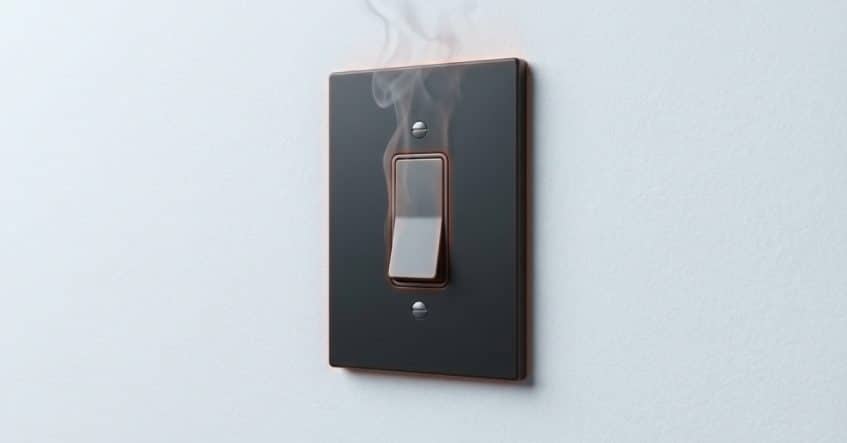
Flickering is accompanied by burning smells, buzzing sounds, or hot outlets
Flickering worsens when appliances run
Circuit breakers trip often or you hear humming from your panel
These could indicate:
Loose wiring (a fire risk)
Overloaded service panel
Faulty breakers or outdated wiring
At DK Electrical Solutions, we often find that what seems like a “small issue” turns out to be a wiring problem that could have caused serious damage if left alone. If you’re concerned, don’t hesitate to contact us for electrical troubleshooting in South Jersey.
What You Can Check Yourself (Safely)
While we always recommend caution, here are a few things you can check without risk:
Ensure bulbs are tightened properly
Try replacing the bulb (especially if using incompatible LED/dimmer combos)
Check the plug: Is it secure? Is the outlet damaged?
Note when the flickering happens: Does it correspond to large appliances? That’s worth noting for your electrician.
It depends on the cause. A quick bulb swap is cheap. Replacing wiring or breakers will cost more. Estimates from DK Electrical Solutions are fast and transparent. For more info, visit our blog.
Solving the Mystery of Flickering Lights
Light flickering can be simple. Or it can be serious. The key is knowing when to get help.
If you’re experiencing persistent flickering lights, especially with other warning signs, don’t wait. Let licensed electricians diagnose the issue before it becomes a bigger, costlier problem.
Want peace of mind? Take the next step with a trusted expert.
If you’re wondering whether it’s possible to get an electrical panel upgrade without having to rewire your entire home—you’re not alone. Many New Jersey homeowners want to upgrade their electrical panel to support modern power demands, but the idea of tearing through walls to update wiring can feel overwhelming.
Let’s break it down so you know when you can move forward with an electrical panel upgrade—and when a full rewire might actually be necessary.